
Intervista al compositore di James Bond 007: Blood Stone
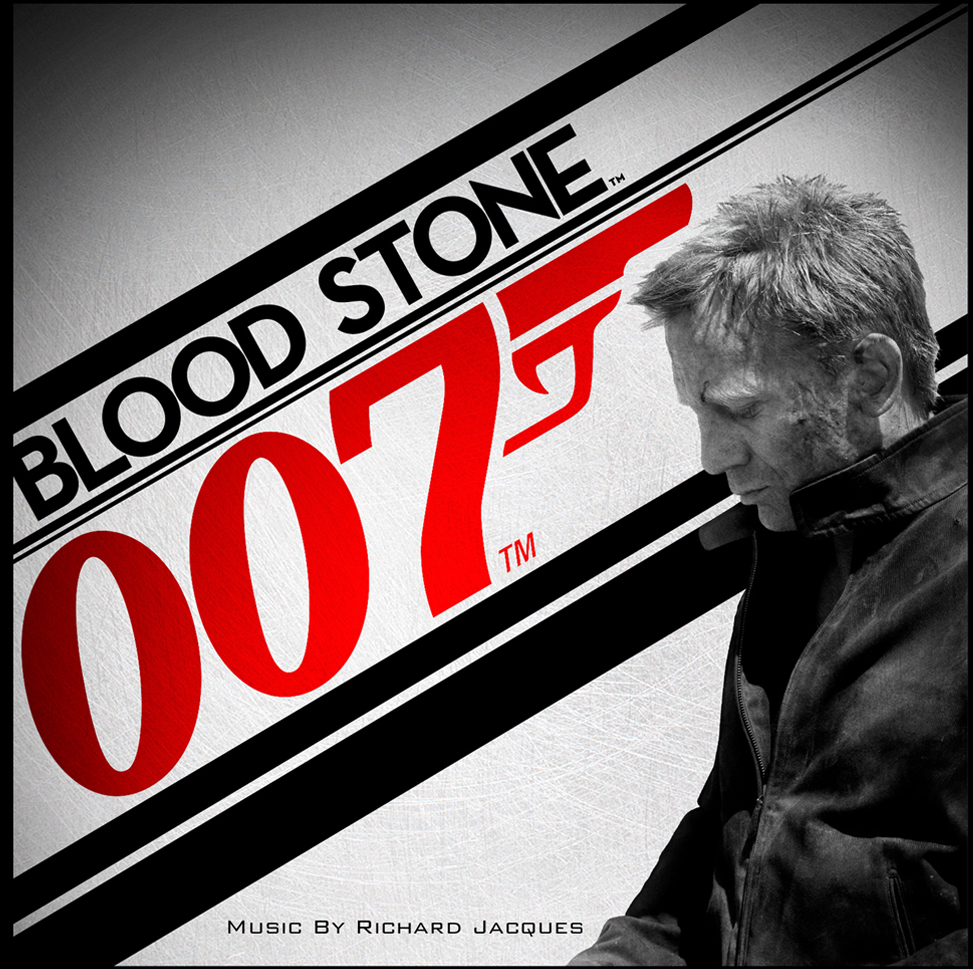
James Bond 007: Blood Stone - Intervista esclusiva al compositore Richard Jacques
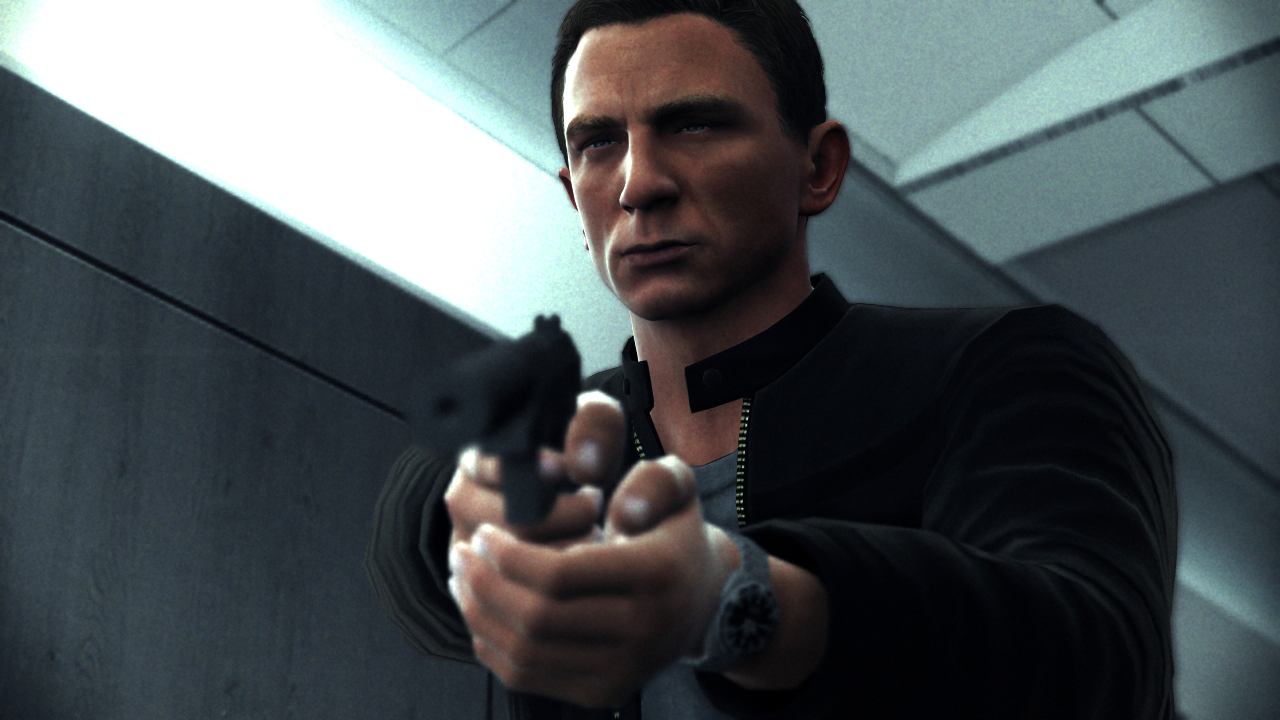
Ho incontrato il pluripremiato e nominato compositore britannico Richard Jacques (2 aprile 1973, Warwick, Warwickshire, Inghilterra, Regno Unito), nome molto noto tra i fan delle colonne sonore per videogiochi – ha scritto gli score per una miriade di titoli rilevanti, quali, tra i tanti, Headhunter (2001), Starship Troopers (2005), Mass Effect (2007) e Marvel’s Guardians of the Galaxy (2021) – per parlare della sua storica partitura per il videogame James Bond 007: Blood Stone del 2010, con protagonista digitale il più popolare agente segreto inglese con licenza di uccidere della Storia della Letteratura e del Cinema, interpretato magistralmente da Daniel Craig. Intervista che finirà come contenuto extra nella futura riedizione del libro mio e di Andrea Natale, “Operazione Underscore – Il mondo delle colonne sonore dei film di James Bond” (Bluebelldisc) (leggete qui news a riguardo).
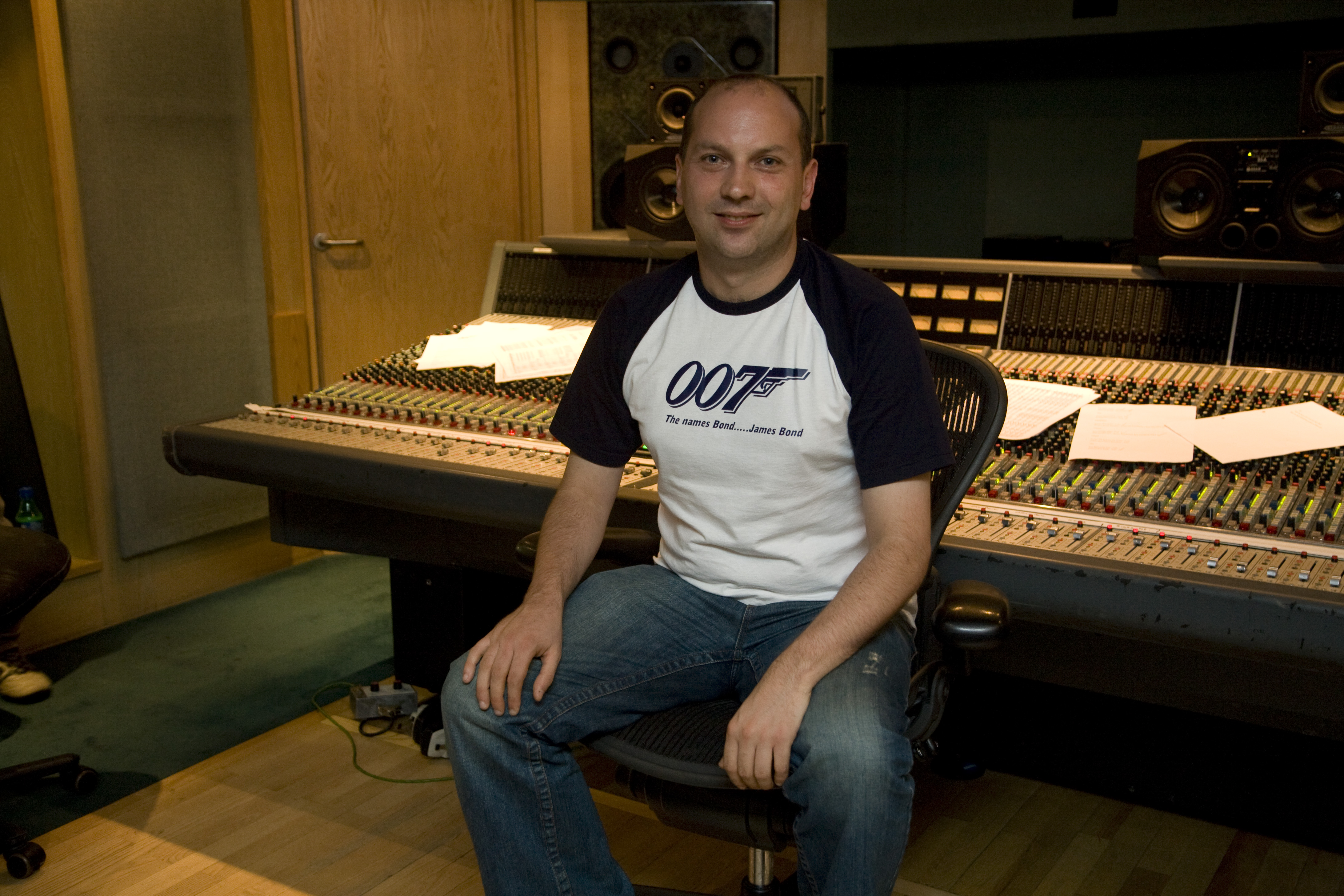
Colonne Sonore: Qual è stato il tuo percorso nel mondo delle colonne sonore? Quali sono, solitamente, le tue principali fonti d’ispirazione quando ti accosti alla composizione di musica per immagini?
Richard Jacques: Ho studiato musica classica a Londra, suonando in orchestre, big band e diversi altri ensemble musicali, ma allo stesso tempo facevo il DJ, componevo musica elettronica e ascoltavo una gamma vastissima di stili musicali: dalla musica orchestrale sinfonica di Stravinskij, Debussy e Šostakovič ad artisti più eclettici, dai Public Enemy ai The Prodigy e ai Genesis. La mia formazione musicale è stata molto ampia, così come lo sono sempre state le mie scelte d’ascolto. Fin da giovanissimo sono stato profondamente affascinato dall’idea di comporre musica per le immagini in movimento. Ricordo quando vidi E.T. al cinema e compresi il legame tra la grande partitura orchestrale di John Williams e l’emozione suscitata dalla storia. Da allora ho sempre desiderato scrivere musica per le immagini in movimento. Traggo ispirazione da diversi elementi, ma soprattutto dalla storia, dai personaggi e dall’arco emotivo di un progetto.
Colonne Sonore: Cominciamo parlando del tuo lungo rapporto con la musica per videogiochi, a partire dalla celebre colonna sonora che hai composto nel 2010 per il videogioco James Bond 007: Blood Stone, nel quale il nostro famoso agente segreto britannico con licenza di uccidere, interpretato da Daniel Craig, deve salvare la Gran Bretagna da un folle che si è procurato armi biologiche di livello militare. Per questa partitura hai vinto gli UK Music + Sound Awards e ricevuto nomination ai BAFTA, agli IFMCA, ai GoldSpirit, agli Ivor Novello e agli Spike Video Game Awards. Cosa ricordi del processo di lavorazione e quali erano le esigenze della produzione del videogioco per quanto riguardava la colonna sonora?
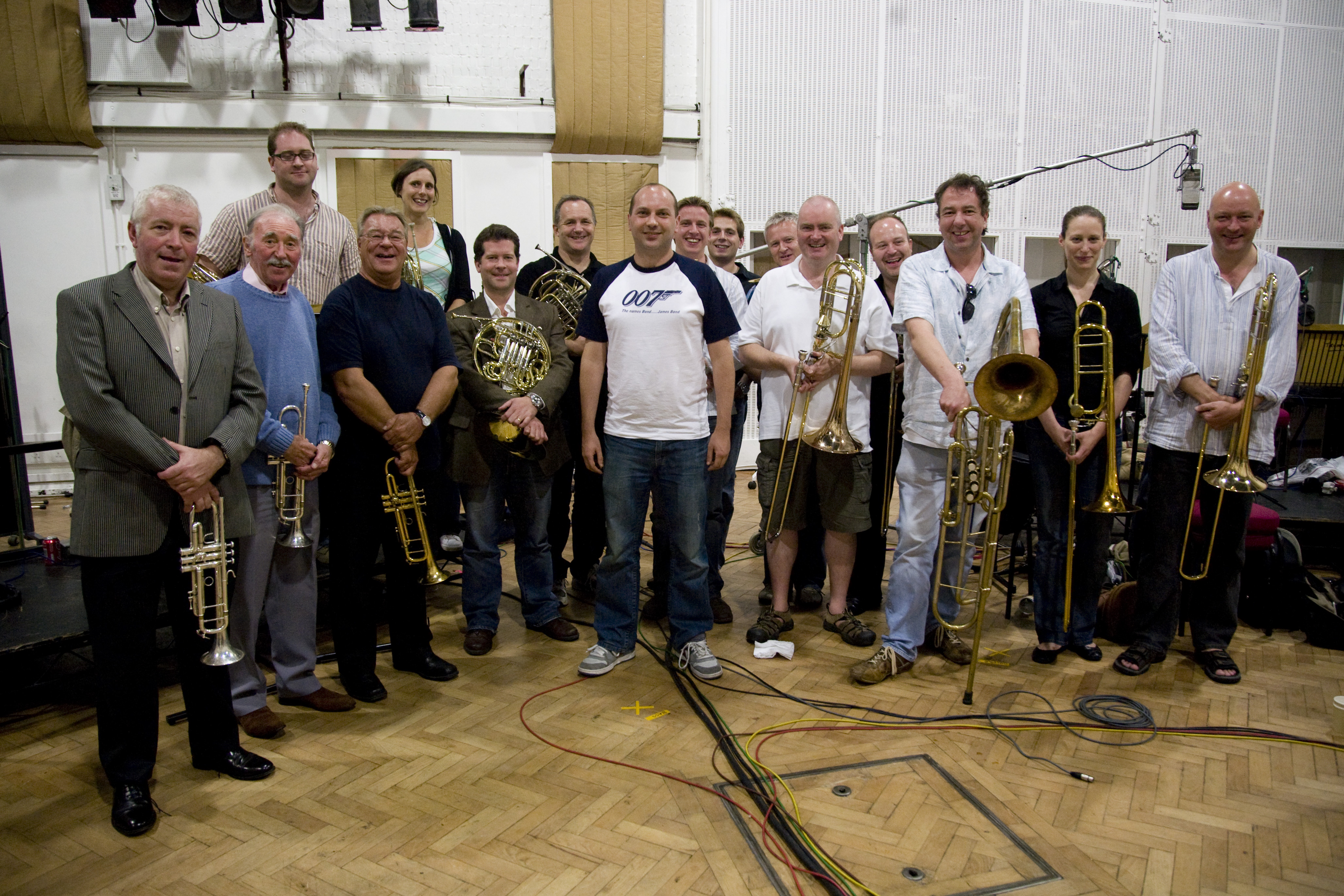
RJ: Durante la produzione di James Bond 007: Blood Stone lavoravo a stretto contatto con il team di sviluppo di Bizarre Creations, che stava realizzando il gioco. Avevo già collaborato con loro in precedenza, per Metropolis Street Racer e The Club, e avevamo instaurato un ottimo rapporto professionale. Quando mi contattarono per propormi la possibilità di comporre la musica per un gioco di Bond, ero naturalmente entusiasta. Nel processo di selezione erano coinvolti diversi altri compositori e, essendo io stesso un trombonista, ero convinto che la mia esperienza sia nella musica orchestrale sinfonica sia negli stili jazz e big band si adattasse perfettamente al progetto. Dopo aver registrato le mie demo agli Abbey Road Studios di Londra, fui scelto come compositore. Cominciammo delineando gli archi narrativi del gioco, individuando inoltre le principali sezioni emotive, d’azione, di suspense e quelle dedicate agli enigmi. A quel punto iniziai a lavorare sul materiale principale del gioco, avendo già composto il Tema principale durante la fase di realizzazione delle demo — un tema che si può ascoltare lungo tutta la partitura. Composi quindi la colonna sonora lavorando a stretto contatto con l’Audio Director e utilizzando tutti i materiali che erano disponibili: storyboard, concept art dei personaggi e degli ambienti e, con il procedere dello sviluppo, anche le prime immagini del gameplay. Successivamente tornai agli Abbey Road Studios per registrare la partitura insieme a molti dei musicisti che suonano nelle pellicole di Bond. È stato un progetto molto impegnativo, soprattutto per la grande quantità di musica d’azione che era necessario comporre e, naturalmente, per la necessità di inserirsi all’interno di un franchise già consolidato, aggiungendo al tempo stesso un tocco personale e distintivo.
Colonne Sonore: La tua partitura per James Bond 007: Blood Stone è incessante: un viaggio senza sosta, adrenalinico e mozzafiato, una caratteristica che rappresenta perfettamente la forza delle avventure di spionaggio audaci e senza freni di 007, tanto nel videogioco quanto nei film, oltre a essere una vera gioia per gli appassionati delle colonne sonore bondiane. Cosa comporta scrivere così tante pagine di musica d’azione per un videogioco come questo senza cadere nella trappola della ripetitività? Inoltre, il primo momento di calma tematica si può ascoltare nella seconda metà del brano “Truck Chase/Track Down”…
RJ: Lo è decisamente! Adoro i film e i videogiochi d’azione e mi piace moltissimo sia ascoltare sia comporre colonne sonore action. Per me tutto ruota attorno all’energia che riesco a infondere nelle mie partiture. Oltre a suonare il trombone e il pianoforte, sono anche percussionista, quindi tendo a scrivere musica d’azione molto percussiva, utilizzando l’intera orchestra come una forza propulsiva ed energetica. Scrivere una quantità così elevata di musica d’azione, praticamente una sequenza dopo l’altra, è stato effettivamente un compito piuttosto impegnativo. Sono riuscito a mantenere il materiale fresco utilizzando diversi frammenti e motivi del tema principale del gioco e introducendoli in una varietà di situazioni d’azione, ma impiegando ritmi e impostazioni tonali differenti e variando anche la strumentazione. Ricordo di aver scritto l’ultima scena del gioco, quella in cui Bond incontra Rak, appena pochi giorni prima di recarmi agli Abbey Road Studios per registrare la partitura. Doveva essere probabilmente il cue d’azione più intenso dell’intera colonna sonora, così lavorai per 40 ore consecutive, senza dormire, per riuscire a portare quella scena al livello che volevo. E, in effetti, ne uscì il momento più intenso di tutta la partitura!
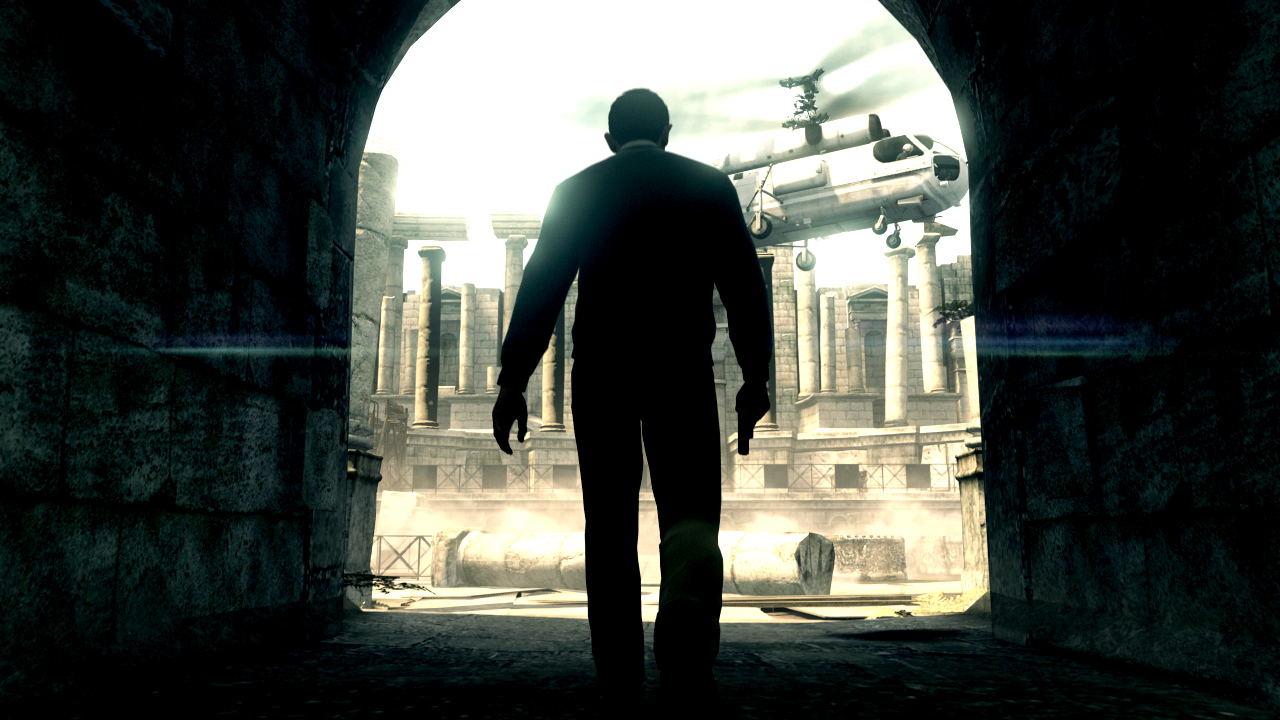
Colonne Sonore: Restando sul tuo lavoro per James Bond 007: Blood Stone e sull’universo musicale e cinematografico di Bond, pensi che ci sia ancora spazio per scrivere una partitura innovativa per questo celebre agente segreto senza allontanarsi troppo dai canoni ormai consolidati da John Barry e David Arnold, il quale, a sua volta, aveva attinto in parte dal mondo compositivo di Barry, ponendo però maggiore enfasi sugli elementi elettronici e percussivi? E quali ritieni siano, ancora oggi, le colonne sonore più esemplari della saga di 007 e perché?
RJ: Penso che ci sia ancora moltissimo spazio per comporre partiture innovative per il franchise di Bond. E, sebbene ci siano alcuni elementi stilistici che devono essere tenuti in considerazione quando si scrive una colonna sonora per 007, non li ho trovati affatto limitanti nel comporre Blood Stone. Se un compositore comprende il rapporto tra lo stile sinfonico e quello jazz, dovrebbe avere tutti gli strumenti necessari per creare una partitura convincente. Essendo un appassionato del franchise e delle sue diverse colonne sonore, è difficile sceglierne una sola. Tuttavia, personalmente, parlando da semplice spettatore, direi che la partitura di Si vive solo due volte (You Only Live Twice), composta da John Barry, è probabilmente la mia preferita. È un capolavoro per atmosfera e costruzione della tensione, oltre che per il modo in cui sostiene la narrazione e le sequenze d’azione. Il brano “Capsule in Space”, a mio avviso, è uno dei più grandi pezzi di musica bondiana mai scritti.
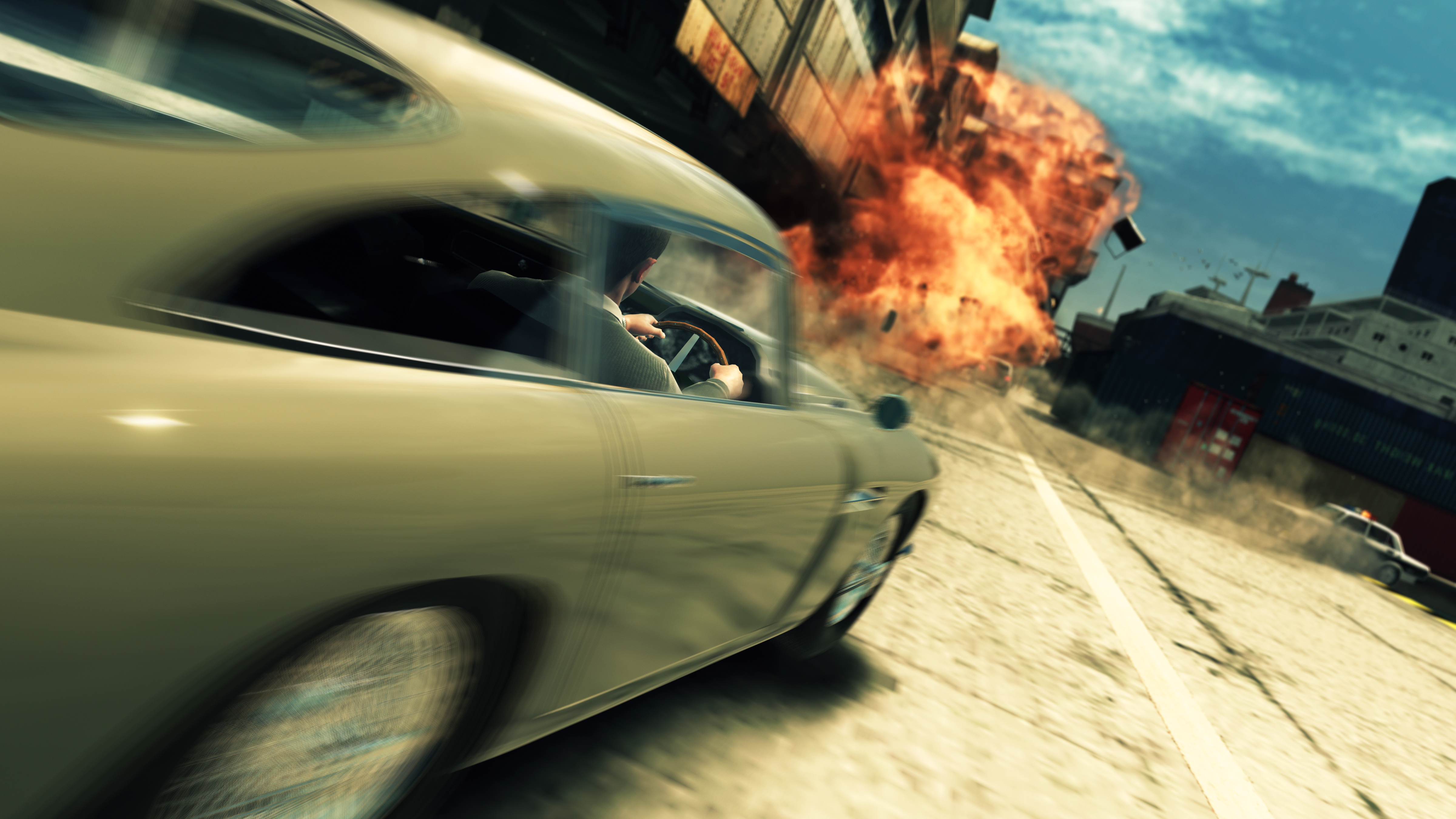
Colonne Sonore: Hai composto musica per un numero davvero impressionante di videogiochi — per esempio, due capitoli di Mass Effect e, nel 2021, Marvel’s Guardians of the Galaxy, oltre a titoli precedenti come Highlander: The Game del 2008 e Starship Troopers del 2005. Quanta musica devi generalmente comporre per una serie videoludica e in quali tempistiche, soprattutto considerando che utilizzi quasi sempre ensemble orchestrali e, in alcuni casi, scrivi anche canzoni originali?
RJ: Dipende davvero dal progetto e dalla quantità di musica richiesta. Per esempio, in James Bond 007: Blood Stone ci sono circa due ore e mezza di musica, mentre Marvel’s Guardians of the Galaxy ne contiene più di cinque. In entrambi i casi, quindi, è stata richiesta una quantità di musica superiore a quella necessaria, spesso, per un lungometraggio cinematografico. Direi che, in media, si lavora per alcuni mesi, a volte per un anno, ma questo arco di tempo comprende anche la pre-produzione, l’implementazione e il lavoro tecnico, oltre alle eventuali canzoni originali necessarie. Qualsiasi compositore sa quanto velocemente scorra il tempo quando si lavora a un progetto, soprattutto quando sono coinvolte orchestre dal vivo. Ma questa è proprio una delle sfide che mi entusiasmano.
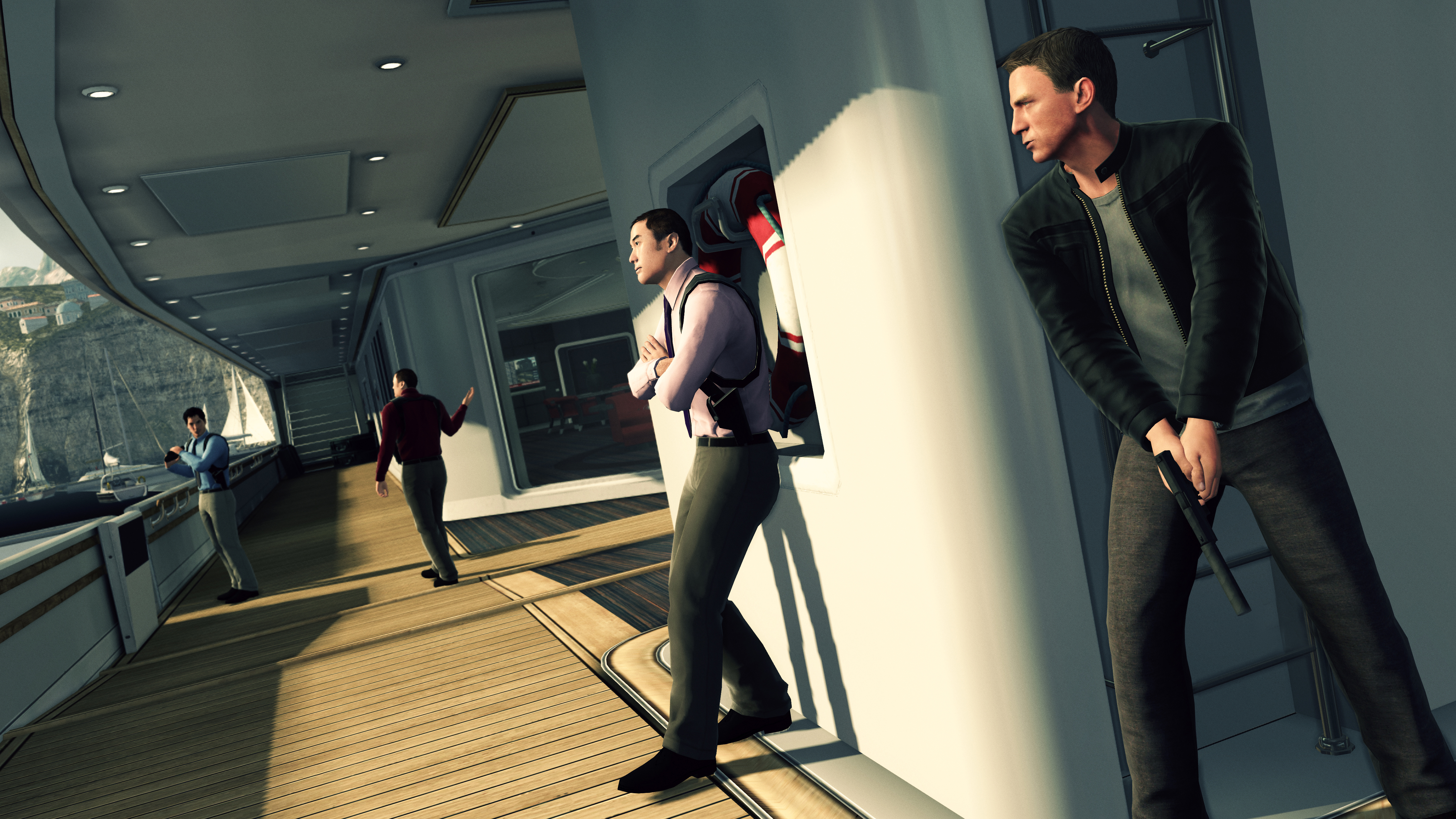
Colonne Sonore: Considerando che hai già alle spalle numerose colonne sonore di videogiochi di grande rilievo e persino diversi trailer, rimpiangi di non aver dedicato più tempo, nel corso della tua carriera, alla composizione per il grande e il piccolo schermo?
RJ: Non ho assolutamente alcun rimpianto e sono stato fortunato a poter lavorare a progetti straordinari legati ad alcuni dei più grandi franchise. È proprio la varietà degli incarichi che apprezzo maggiormente e che mi aiuta a mantenere fresche le mie idee musicali. Ho in programma alcuni progetti molto entusiasmanti legati a franchise davvero importanti, ma purtroppo non posso ancora rivelare alcun dettaglio!
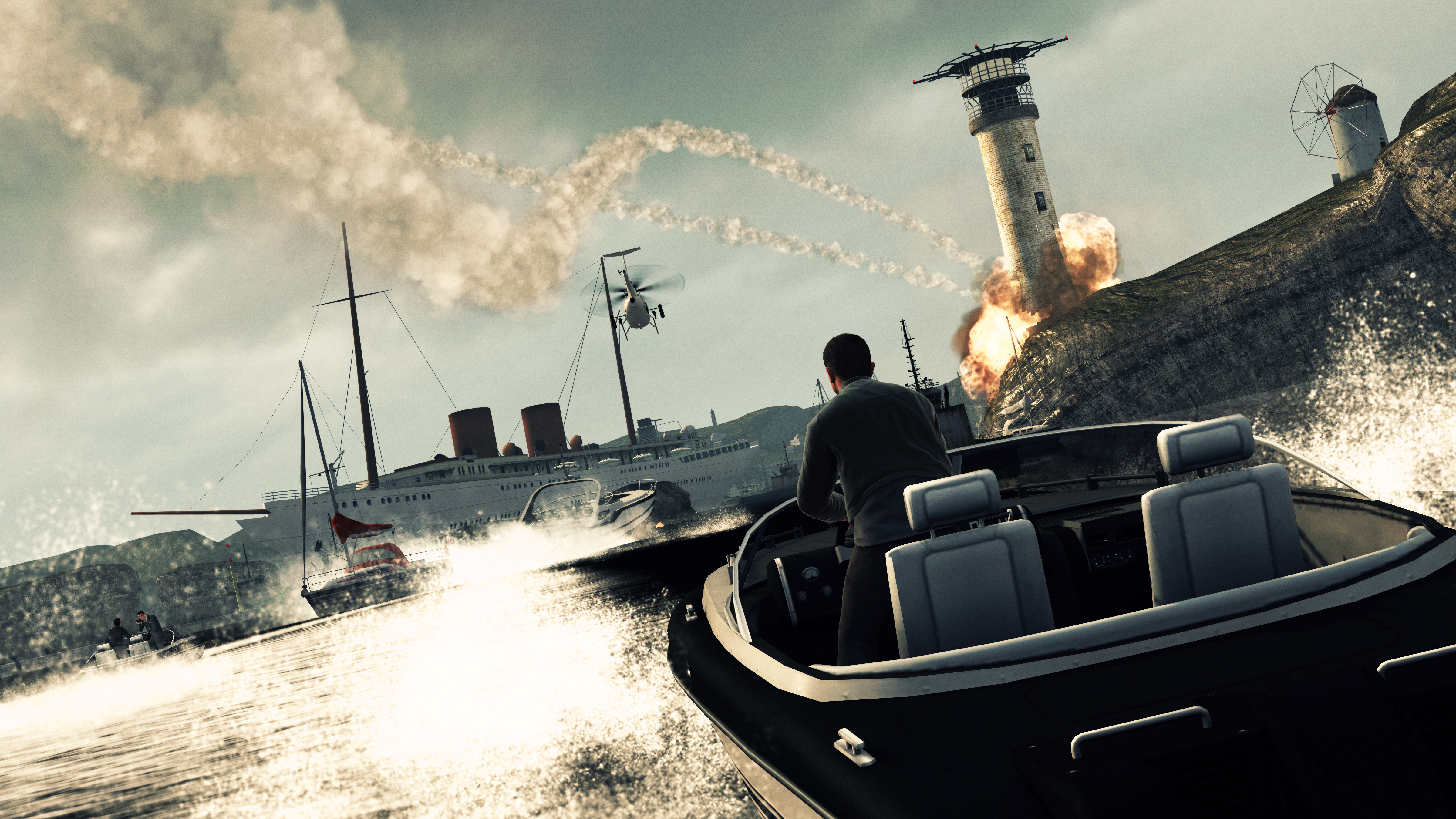
Colonne Sonore: Che cosa significa per te “Musica per Immagini”?
RJ: In parole semplici, è l’aspetto più importante nella composizione musicale per un videogioco, un film o una serie televisiva. Il mio ruolo di compositore è sostenere la narrazione, i personaggi, l’ambiente, l’azione e l’emozione di un progetto, senza però intralciare i dialoghi. Cerco sempre di sostenere e raccontare la storia attraverso la mia musica.
Un grazie particolare e sentito a Greg O’Connor-Read per aver reso possibile questa intervista e al Maestro Richard Jacques per la preziosa disponibilità e cortesia.
English Version:
Colonne Sonore: What was your path to the world of soundtracks? What are your usual sources of inspiration when you approach composing music for images?
Richard Jacques: I studied classical music in London playing in orchestras, big bands and various other musical ensembles, as well as DJ’ing, composing electronic music and listening to a huge range of musical styles, from symphonic orchestral music such as Stravinsky, Debussy and Shostakovich, to other eclectic artists from Public Enemy to The Prodigy and Genesis. My musical education was very broad, as were my listening choices. I had always been passionate about scoring music for moving image since I was very young, when I watched E.T. at the cinema, and made the connection between John Williams’ sweeping orchestral score and the emotion of the story. It was ever since this time that I wanted to score for moving image. I take various inspirations, most notable from the story and the characters, and the emotional arc of a project.
CS: Let’s start by talking about your long association with video game music, starting with your celebrated score for the 2010 video game James Bond 007: Blood Stone, in which our famous British secret agent with a license to kill (Daniel Craig) is tasked with saving Great Britain from a maniac who has acquired military-grade biological weapons. For this score, you won the UK Music + Sound Awards and received nominations for the BAFTA, IFMCA, GoldSpirit, Ivor Novello, and Spike Video Game Awards. What do you remember about the process, and what were the demands of the video game production regarding the soundtrack?
RJ: During the production of James Bond 007: Blood Stone, I was working very closely with the development team at Bizarre Creations who were making the game. I had worked with the team previously on Metropolis Street Racer and The Club and had a great working relationship with them. So, when they contacted me about the possibility of scoring a Bond game, I was naturally very excited. There were several other composers involved in the pitching process, and as a trombone player myself I was confident that my experience of both symphonic orchestral music and jazz / big band styles would be a natural fit for the project. After recording my demos at Abbey Road Studios in London I was chosen as the composer for the project. We began by mapping out the story arcs for the game as well as highlighting the main emotional, action, suspense and puzzle sections. I then started working on the main material for the game, having already created the Main Theme as part of the demo process (which you can hear throughout the score). I would then compose the score for the game, working closely with the Audio Director and working with any materials that were available, including storyboards, character and environment concept artwork, and as time progressed, early gameplay footage. I then returned to Abbey Road to record the score with many of the musicians who play on the Bond films. It was a demanding project in terms of so much action music to compose and of course following an existing franchise whilst adding my own unique flavour.
CS: Your score for James Bond 007: Blood Stone is relentless; it’s a nonstop, heart-pounding ride, a true strength of 007’s daring, unrestrained spy adventures in both the video game and the film, as well as a major delight for fans of Bond soundtracks. What’s involved in writing so many action-packed pages for a video game like this, without falling into the trap of repetition? Furthermore, the first moment of thematic calm can be heard in the second half of the track “Truck Chase/Track Down”...
RJ: It most certainly is relentless! Well, I love action movies / games, and I love both listening to and composing action soundtracks. For me it’s all about putting energy in my scores. As well as playing both trombone and piano, I’m also a percussionist so I write very percussive action scores, using the entire orchestra as a driving energetic force. Writing so much action music, almost back-to-back, was indeed quite a daunting task. I was able to keep things fresh by using different fragments and motifs of my main theme for the game, and introduce them in a variety of action settings, but using different rhythms and tonal settings, as well as varying instrumentation. I remember writing the last scene for the game, where Bond encounters Rak, just a few days before I went to Abbey Road to record the score. This had to be possibly the most intense action cue for the entire score, so I worked for 40 hours straight, without sleep, to nail this scene, and it did indeed come out as the most intense!
CS: Still referring to your work on James Bond 007: Blood Stone and the Bond film-musical universe, do you think there’s still room to write an innovative score for this famous secret agent, while not straying too far from the now-established canons dictated by John Barry and David Arnold, which nevertheless drew partly from Barry's compositional world with a greater emphasis on electronic and percussive elements? And what do you consider to be the most exemplary soundtracks from the 007 saga, even today, and why?
RJ: I think there is still plenty of room to compose innovative scores for the Bond franchise. And even though there are some stylistic elements that need to be thought about when composing a score for 007, I didn’t find these to be restrictive in any way when scoring Blood Stone. If a composer can understand the relationship between symphonic and jazz styles, they should be well equipped for creating a convincing score. As a fan of the franchise, and indeed the various scores, it’s hard to single out a specific score. However, for me personally, speaking as an audience member, I would have to say that the score for You Only Live Twice (John Barry) is probably my favourite. It is a masterpiece in atmosphere and tension building, as well as supporting the narrative and the action sequences. The track “Capsule In Space” is in my opinion one of the greatest pieces of 007 music in history.
CS: You’ve composed music for an incredible number of video games—for example, two for Mass Effect and, in 2021, Marvel’s Guardians of the Galaxy, as well as, even earlier, 2008’s Highlander: The Game and 2005’s Starship Troopers. How much music do you typically have to compose for a game series, and in what timeframe, especially since you almost always use orchestral ensembles and, in some cases, also write original songs?
RJ: It really varies depending on the project, and how much music is involved. For example, in James Bond 007: Blood Stone there is around 2.5hrs of music in the game, but with Marvel’s Guardians Of The Galaxy there is over 5 hrs of score, so in both of these examples, there is often more music required than a feature film. I would say on average a few months sometimes a year but that would also include pre-production time as well as implementation and technical work, and any original songs that are needed. Any composer knows that the clock is ticking very fast when on a project, especially when working with live orchestras, but this is part of the challenge which I thrive upon.
CS: Given that you already have several notable video game soundtracks and even trailers under your belt, do you regret not having spent more time composing for the big and small screen in your career?
RJ: I have absolutely no regrets and have been fortunate to work on some amazing projects on some huge franchises. It is the variety that is something I really enjoy and helps keep my musical ideas fresh. I have some very exciting projects on some very big franchises coming up but I’m afraid I can’t mention any details just yet!
CS: What does “Music for Images” mean to you?
RJ: To put it simply, it is the most important aspect for scoring a game / film / TV series. It is my role as a composer to support the narrative, characters, environment, action and emotion in a project, but to not get in the way of the dialogue. I always try to support and tell the story through my music.
A special and heartfelt thanks to Greg O’Connor-Read for making this interview possible and to Maestro Richard Jacques for his valuable availability and kindness.