“Una grande lezione di musica per film” – Parte Cinquantaseiesima
“Una grande lezione di musica per film” – Parte Cinquantaseiesima
Ritornano le nostre interviste-lezioni a puntate sulla Musica applicata alle Immagini e come sempre, in questa parte 56, vi sveleremo tutti i dietro le quinte dell’arte del comporre note per il piccolo e grande schermo, grazie alle risposte di compositori giovani e veterani interpellati da tutte le parti del mondo. Le nostre classiche sei domande sono sempre foriere di preziosi aneddoti e importanti informazioni lavorative per merito degli autori di volta in volta intervistati.
Domande:
1) Che metodologia usate nell’approcciarvi alla creazione di una colonna sonora?
2) Qualora non abbiate la possibilità, per motivi di budget o semplicemente vostri creativi, di usare un organico orchestrale, come vi ponete e quali sono le tecnologie che vi vengono maggiormente in aiuto per portare a compimento un’intera colonna sonora?
3) Descriveteci l’iter che vi porta dalla sceneggiatura alla partitura finale, soprattutto passando per il rapporto diretto con il regista e il montatore che talvolta usano la famigerata temp track sul premontato del loro film, prima di ascoltare la vostra musica originale?
4) Avete un vostro score che vi ha creato particolari difficoltà compositive?
Se sì, qual è e come avete risolto l’inghippo?
5) Come siete diventati compositori di musica per film e perchè?
6) Che importanza ha per voi vedere pubblicata una vostra colonna sonora su CD fisico oggi che sempre di più si pensa direttamente al digital download?
Questions:
1) Tell us about your own process when you start writing a film score.
2) If you aren't able to use a standard symphony orchestra (be it for budget constraints, or even purely creative reasons) does your creative process change? Which are the technologies and software you use in this occasion?
3) How would you describe the entire process of creating a film score, from the script to the finished product? Can you tell us about your relationship with the director and the film editor, especially in the circumstances when there's already temp track mixed in?
4) Is there a score of yours that was particularly demanding and challenging from a creative point of view? If so, how did you face the challenge?
5) How did you become a film composer and why?
6) How important is for you to see your works released on physical formats in the current era of digital download and audio streaming services?
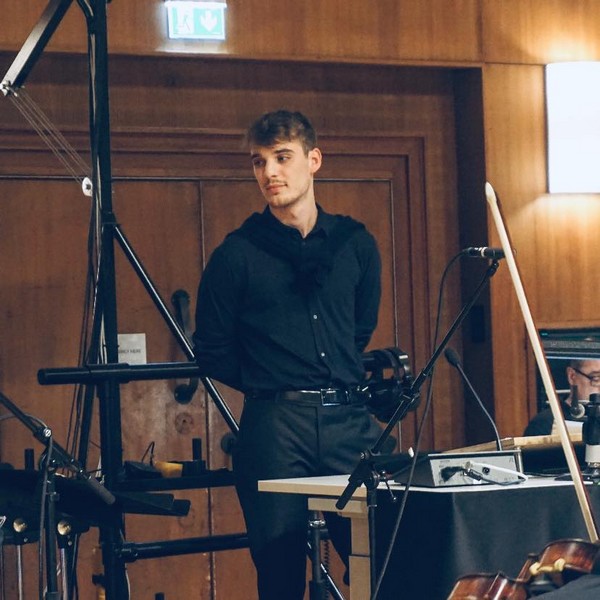
Nicolò Braghiroli (compositore del documentario Non più non ancora - Ritratti preadolescenti e del cortometraggio L’eclisse)
1) L’approccio che utilizzo per la creazione di una colonna sonora è sempre diverso e dipende dal tipo di progetto al quale sto lavorando. L’esperienza mi insegna che ogni compositore ha un diverso carattere e una singolare visione del concetto di musica e di relazione musica-immagine. Credo che la costruzione di un iter lavorativo originale sia indispensabile per lo sviluppo di una carriera all’interno dell’industria di Musica per film. Al giorno d’oggi, grazie alle innumerevoli tecnologie a nostra disposizione sono possibili molte soluzioni. Se un tempo si usava scherzare dicendo “In fondo le note sono poi sempre 12” oggi accade la stessa cosa con i mezzi tecnologici: ogni compositore utilizza un computer, una DAW, librerie musicali, un software di notazione etc...
La differenza sta proprio nell’originalità dell’utilizzo di questi strumenti. Infatti, mi trovo spesso a ripensare ai miei template e a organizzare le mie giornate lavorative in funzione di obbiettivi semplici che provo però a raggiungere con mezzi e maniere sempre differenti. Ecco perché, personalmente, amo molto sperimentare e provare a trovare soluzioni musicali utilizzando approcci differenti e unici per ogni commissione.
In tutti i progetti ai quali ho lavorato, ho sempre cercato di avere un approccio diretto e umano con le persone per cui lavoravo soprattutto nei confronti dei registi, dei produttori e dei montatori del film. Amo molto fare parte integrante della costruzione del film: conoscere gli attori, capire i colori, studiare i mood board, leggere le sceneggiature....
Tutti questi elementi prendono parte nel mio processo compositivo. Credo che sia proprio grazie a questa mia attitudine e visione che sono riuscito a collaborare con importanti compositori di musica per film e a spiccare come finalista in molti concorsi.
ENG: The way I approach the creation of a soundtrack is always different and depends on the project I am working on. What I have noticed so far is that every composer has a different character, an original vision of the concept of “music” and of the relationship that stands between music and pictures.
Personally, I found that having an original work approach is crucial for Career success in the Film Music Industry. In the past, composers used to joke saying: “No matter what, the notes available are only twelve” but today, the same can be said about technology tools: every composer has and uses a computer, a DAW, Music libraries, music notation software, and the choice we have is really vast! The difference stands in the approach and in the way we utilise these tools creatively, recognising that there are almost infinite ways/approaches we can adopt to reach the same goal.
I love to experiment a lot and try to find musical solutions with original production approaches. That’s why I’m used to rethinking my templates and schedules: to train myself and stretch my imagination to complete even simple tasks through paths that are always different.
Furthermore, I strongly believe in human connections and, whenever possible, I endeavour to build authentic and direct relationships with Film Directors, Producers, and Editors. I also love and find great inspiration in taking part in the making of the whole movie: knowing the actors, the colour palette, studying the mood board, reading the script…
All these elements are condensed in my music creation process. I believe that those two are the main reasons why my career has been filled with many collaborations and why I’ve stood out as a finalist in many prestigious film music contests so far.
2) Come accennavo poco fa, al giorno d’oggi le possibilità sono infinite. Molte colonne sonore che hanno a disposizione un grande budget vengono comunque realizzate senza l’utilizzo di “un’orchestra” nel senso tradizionale del termine. Personalmente laddove non c’è la possibilità di usare un organico orchestrale, cerco sempre di registrare musicisti di alto livello e sfruttare l’originalità che le registrazioni possono regalare. Credo sia grazie alla performance dei musicisti, che la registrazione possa trasformarsi in un “momento magico” che può letteralmente “dare vita” alla mia musica o a quella dei compositori per cui collaboro.
Infatti, tutto ciò che viene registrato dal vivo in un momento, in qualsiasi istante è SEMPRE un qualcosa di UNICO e irripetibile e credo che questo sia di notevole aiuto nella ricerca di un’identità musicale originale.
In questi ultimi anni poi, lavorando come Orchestratore e Score reader per diverse compagnie, mi sono accorto che al giorno d’oggi, con qualche piccolo accorgimento, è comunque sempre possibile registrare e lavorare a contatto con musicisti e ingegneri del suono anche con budget bassissimi.
ENG: As I was suggesting before, nowadays there are infinite options to choose from. Many Big budget soundtracks are still composed without using an orchestra. When there is no option to have orchestral instrumentation, I personally still try to record professional musicians’ live performances. I find that live performances can be truly magical moments that bring the music to life. Everything that is recorded live is intrinsically unique and unrepeatable and I believe that this is also key to reaching an original musical identity. Most recently, working as an Orchestrator and score reader, I also found out that, even with a very low production budget, working with musicians and sound engineers is still possible with some smart changes.
4) Non credo nel lavoro semplice. Ogni progetto al quale ho lavorato ha sempre avuto delle singolari difficoltà. Credo che sia fondamentale mettersi in gioco ogni volta cercando soluzioni innovative e interessanti.
ENG: I don’t believe in the “easy work”. Every project I ever worked on had its difficulties. I believe that accepting challenges is essential to discover innovative and interesting solutions.
5) Sin da bambino, ho sempre apprezzato le colonne sonore dei film. Da sempre credo che ogni suono abbia la capacità di raccontare una storia e di evocare una memoria. Mentre studiavo composizione al conservatorio di Bologna, ho avuto la fortuna di incontrare Marco Biscarini e Daniele Furlati durante una sessione negli studi Fonoprint alla quale sono stato inviato a partecipare quasi per caso. Ricordo che Marco aveva già sentito parlare di me ed entrammo subito in sintonia. Ho iniziato a lavorare con lui mentre ancora studiavo e sono stato coinvolto sin da subito in progetti ambiziosi. Questo ha senz’altro contribuito fortemente alla mia formazione come compositore e come assistente. Oltre alle frequenti collaborazioni con Marco, recentemente ho voluto sperimentare nuove vie proponendomi come orchestratore e assistente per diversi progetti in Inghilterra, dove attualmente risiedo. In attivo, ho poi diverse collaborazioni con registi emergenti.
ENG: Since I was a child, I’ve always enjoyed listening to a lot of soundtracks. I believe that every sound is capable of telling a story and of evoking memories. While I was studying composition at the Conservatory of Bologna, I have been lucky enough to meet Marco Biscarini and Daniele Furlati during a recording session at the Fonoprint music studios. I remember that Marco had already heard of me and we immediately connected on a personal and professional level. I started to work with him while I was still studying and I had been quickly involved in many of his ambitious projects. This helped me a lot in developing my professional profile both as a composer and as an assistant. In addition to the many collaboration with Marco, I have been working as a composer for several emerging film directors and I have recently started to work as Orchestrator and assistant for several projects and studios in the UK where I currently live.
6) Viviamo in un mercato in costante cambiamento. Io sono un fan della musica su supporto fisico (quanti CD e vinili che ho collezionato negli anni...) ma sono conscio del fatto che ormai questi sono considerati supporti datati e poco valutati dal mercato (ad eccezione delle stampe in vinile che pare ultimamente stiano tornando di moda). La verità è che ormai, anche per quello che riguarda i digital download, il mercato si è spostato verso un business basato su un quantitativo di streams/visualizzazioni e oggi la musica non viene quasi più comprata ma è diventata un multimedia on-demand dove royalties e diritti vengono gestiti in maniera molto complessa direttamente dalle piattaforme che la distribuiscono. E’ importante cercare il più possibile di rimanere aggiornati e alle volte azzardare per capire come sarà il futuro del mercato discografico.
ENG:
The music business is in constant change. I am a fan of the Physical mediums (I’ve lost count of how many CDs and vinyl I’ve collected in the years..) but I know that those media are considered old and they are not so valuable for the market, with the only exception for the vinyl that, apparently, are getting more and more popular. The truth is that now, even with regard to digital downloads, the market has moved towards a business based on a quantity of streams/views and today music is almost no longer bought but has become an on-demand multimedia where royalties and rights are managed in a very complex way directly from the platforms that distribute it. It is important to try to stay up to date and also venture to understand what the future of the record market will look like going forward.
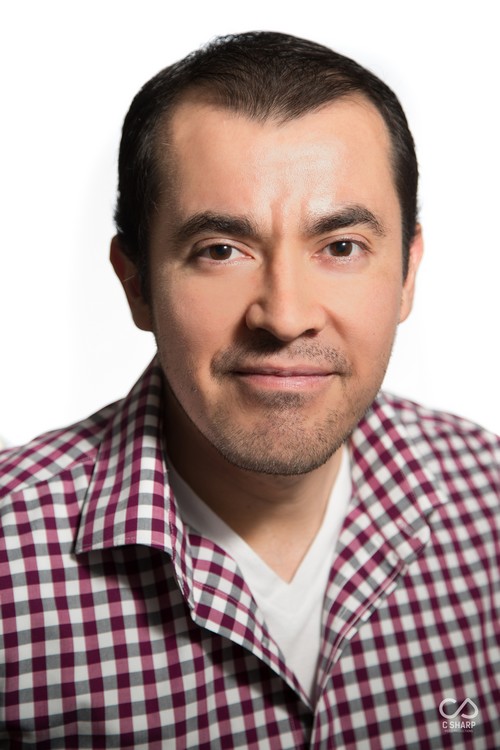
Sid De La Cruz (compositore di Il buono, il brutto e il morto, Atone, Hell on the Border – Cowboy da leggenda, Insight e delle serie Bite!)
1) Per prima cosa guardo l’intero film. Mentre guardo il film, mi cominciano a venire in mente alcune idee musicali. Non compongo niente, ho solo idee mentali e prendo appunti. Una volta finito di guardare il film, comincio a comporre proprio dall’inizio del film. In realtà compongo in modo lineare, il che significa che non salto da una scena all’altra (cue 1, quindi cue 15, saltare alla cue 30 o lavorare sulle scene più grandi e poi lasciare le scene più piccole per ultime). Inizio sulla cue 1 e passo alla cue 2, cue 3, ecc. Ci sono molti compositori che compongono una suite di musica e quindi modificano la loro musica per adattarla all’immagine. In realtà non compongo una suite. Se dovessi comporre qualcosa in anticipo, sarebbe solo 1 brano musicale e di solito sarebbe un tema principale. A parte questo mi ritrovo a trarre gran parte della mia ispirazione dalle immagini sullo schermo.
2) Sì, il mio processo cambia in diversi modi:
1 - quando ho a che fare con un’orchestra, ci sono tante variabili che ho a mia disposizione; tuttavia, quando non ho accesso ad un’orchestra, posso utilizzare solo le variabili che sono disponibili dalle librerie di cui dispongo. Anche se la maggior parte delle librerie ha una buona quantità di variabili, non le possiede proprio tutte e questo può essere un limite.
2 - Devo essere consapevole dei cambiamenti di tempo che si verificano in un cue. Cambiamenti di tempo drastici possono essere un problema durante la registrazione dal vivo. È assai possibile registrare cambi di tempo drastici, ma è qualcosa da tenere a mente. Il software che uso per questo tipo di cose è lo stesso software che utilizzo quando compongo la mia musica, la mia DAW (Digital Audio Workstation). Il software mi permette di gestire tutte queste cose.
3) Il processo dalla stesura della sceneggiatura al completamento dell’ultima cue è eccitante per me, ma questo processo può variare notevolmente da film a film, perché ogni film ha esigenze e scadenze diverse. Un film che ha una scadenza molto rapida può essere eccitante e, allo stesso tempo, può farmi sentire un po' ansioso. Ci sono anche film che non richiedono molta musica e o ho un po' più di tempo prima della scadenza. Il mio rapporto con il regista è molto importante. Lui o lei mi farà sapere che tipo di musica vogliono nel loro film e mi aiuterà a guidarmi a rimanere in pista per assicurarmi che la loro visione si concretizzi nella musica. Il montatore di solito mi invierà aggiornamenti del film mentre sto componendo, quindi ci saranno momenti in cui una certa scena nella versione 1 del film sarebbe lunga 1 minuto ma nella versione aggiornata, la 2, quella stessa scena potrebbe essere estesa o abbreviata. Avrei quindi dovuto regolare la musica per adattarla alla versione aggiornata. Ora, quando c’è la musica temporanea, ho sperimentato registi e montatori che la amano davvero e vorrebbero che componessi qualcosa di molto simile a quest’ultima. Sono stato anche dalla parte opposta dove mi è stata data la libertà creativa e mi sono discostato in una certa misura dalla musica temporanea. Ho anche esperienza dove non c’è musica temporanea e ho piena libertà creativa per comporre ciò che ritengo opportuno. In questo caso, il regista mi darebbe un feedback e mi direbbe “buon lavoro” e continua o che la musica non funziona molto bene con la scena e vorrebbe che io componessi qualcosa di diverso. Tutto questo può variare da film a film.
4) Sì, ci sono diversi score che mi vengono in mente. La colonna sonora di Hell On The Border, Insight e Songs of Little Saigon. Hell on the Border è una colonna sonora western e, a volte, mescolata con elementi hip-hop, simile alla colonna sonora di Marvel’s Black Panther. Questa score è stata impegnativa perché volevo davvero far emergere il suono occidentale nella musica e non solo aggiungere una chitarra e provare a fingere di farlo sembrare occidentale. Quindi, ho studiato musica occidentale e americana, in particolare le opere di Aaron Copland. Questo mi ha davvero aiutato a capire l’armonica, ritmica, melodica e la strumentazione della musica occidentale e americana. Per Insight dovevo comporre musica d’azione, però, c’erano molte scene in cui non potevo usare violini e viole su richiesta del regista. Violini e viole sono strumenti molto importanti quando si ha a che fare con la musica d’azione, quindi ho dovuto trovare altri modi creativi per far sì che la musica raccontasse la storia. Ho finito per usare suoni elettronici mescolati con l’orchestra. Questo mi ha aiutato molto e mi ha persino avvicinato alla musica in modo diverso. Anche se uso suoni elettronici in molte delle mie partiture, questo è stato un nuovo approccio per me e ho imparato molto da esso. Per Songs of Little Saigon ho composto musica ispirata alla musica tradizionale vietnamita. Questo score è stato impegnativo in quanto non c’erano partiture disponibili per me da studiare. È stato molto difficile trovare informazioni sugli strumenti, quindi questo mi ha reso molto difficile conoscere le loro tecniche di esecuzione, i loro limiti, le loro estensioni, il loro linguaggio armonico, melodico e ritmico, ecc. Quindi, l’unica cosa che dovevo fare era ascoltare molta musica e guardare molte performance. Questo mi ha aiutato a capire quanto può essere veloce o lento lo strumento, quanto può diventare forte, qual è l’estensione e le tecniche tipiche, ecc. Inoltre, sono stato in grado finalmente di chiedere ai musicisti vietnamiti di questi strumenti con precisione e le poche informazioni che sono riuscito a ottenere sono state molto utili.
5) Ho frequentato una scuola di musica. Ho studiato composizione sia classica che jazz alla San Jose State University. È stato lì che sono stato introdotto alle colonne sonore dei film. Avevamo un professore, il dottor Daniel Wymann, che era un compositore di film; tuttavia, l’università non offriva lezioni sulla colonna sonora. In realtà ho contattato il dottor Wymann e gli ho chiesto se fosse interessato a insegnare le colonne sonore di film. Ha detto di sì, purché l’università lo approvasse. Quindi, sono andato in giro e ho richiesto firme da parte di studenti interessati. Il semestre successivo, abbiamo tenuto una lezione sulla colonna sonora. Dopo essermi laureato alla San Jose State University, ho ricevuto una borsa di studio per frequentare la Claremont Graduate University ed è lì che ho conseguito il Master, sempre in composizione musicale. Durante il mio ultimo semestre a Claremont, sono andato contemporaneamente all’UCLA e ho frequentato il programma di colonne sonore. Sono stato il destinatario della borsa di studio BMI Jerry Goldsmith. Dopo aver finito la scuola ho fatto uno stage presso la Remote Control (studio di Hans Zimmer) e con Trevor Morris. Sono stato poi assunto da Trevor. Dopo il tempo trascorso con quest’ultimo, ho iniziato a lavorare sui miei progetti. Il motivo per cui sono diventato un compositore di film è perché mi piaceva comporre musica che potesse creare un’atmosfera, un tempo, un luogo, un’identità. Mi piace portare l’ascoltatore in un viaggio attraverso la musica, quindi ho pensato che la musica da film sarebbe stata perfetta.
6) Avere una versione di un mio score in formato fisico può essere sia fantastico che allo stesso tempo non del tutto necessario. È bello poter toccare un CD fisico. È quasi come se avere un CD, un vinile, ecc. portasse un’esperienza musicale diversa. D’altra parte, capisco che il download e lo streaming digitali sono molto più facili, più veloci da accedere e possono raggiungere un pubblico più ampio.
English Version:
1) I first watch the entire film. As I am watching the film, I begin to come up with musical ideas in my head. I don't compose anything, just have mental ideas and I make notes. Once I finish watching the film, I begin to compose at the very beginning of the film. I actully compose linearly, meaning, I do not jump from scene to scene (cue 1, then cue 15, them jump to cue 30 or work on the bigger scenes and then leave the smaller scenes last). I start on cue 1 and move on to cue 2, cue 3, etc. There are many composers that compose a suite of music and then edit their music to fit the picture. I actually do not compose a suite. If I were to compose something ahead of time, it would just be 1 piece of music and it would usually be a main theme. Other than that, I do not compose a suite. I find myself getting much of my inspiration from visuals on screen.
2) Yes, my process does change in several ways:
1- when dealing with an orchestra, there are so many articulations that I have at my disposal; however, when I don't have access to an orchestra, I can only use the articulations that are available from the libraries I have. Even though most libraries have a good amount of articulations, they do not have all of the articulations and this can be a limitation.
2- I have to be aware of tempo changes that occur in a cue. Drastic tempo changes can be an issue when recording live. It is very possible to record drastic tempo changes but that is something to keep in mind.The software I use for these type of things is the same software I use when I compose my music, my DAW (Digital Audio Workstation). The software allows me to deal with all of these things.
3) The process from getting the script to finishing the last cue is exciting for me but this process can vary greatly from film to film because each film has different needs and deadlines. A film that has a very quick deadline can be exciting and at the same time, it can leave me feeling a bit anxious. There are also films that do not require a lot of music and or I have bit more time to before the deadline. My relationship with a director is very important. He or she will let me know what kind of music they want in their film and help guide me to stay on track to make sure their vision comes through in the music. The editor will usually send me updates of the film as I am composing, so there will be times, where a certain scene in version 1 of the film would be 1 min long but on the updated version, version 2, that same scene might be extended or shorted. I would then have to adjust the music to fit the updated version. Now, when there is temp music, I have experienced directors and editors who really enjoy the temp music and would like for me to compose something very similar to that. I have also been on the opposite side were I have been given creative freedom and deviate to some degree, from the temp music. I have also experience where there is no temp music at all and I have full creative freedom to compose what I see fit. In this case, the director would give me feed back and say good job and continue or that music is not working very well wit the scene and would like for me to compose something different. All this can vary from film to film.
4) Yes, there are several scores that come to mind. The score to Hell On The Border, Insight and Songs of Little Saigon. Hell on the Border, is a western score and at times, mixed with hip-hop elements, similar to Marvels Black Panther score. This score was challenging because, I really wanted to bring out the western sound in the music and not just add a guitar and try to fake my way into making it sound western. So, I studied western and American music, more specially the works of Aaron Copland. This really helped me understand the harmonic, rhythmic, melodic and instrumentation of western and American music.
Insight, I had to compose action music however, there were many scenes were I was not able to use violins and violas at the request of the director. Violins and violas are a very important instruments when dealing with action music, so I had to find other creative ways to make the music tell the story. I ended up using electronic sounds mixed with the orchestra. That helped a lot and it even made me approach music in a different way. Even though I do use electronic sounds in many of my scores, this was a new approach for me and I learned so much from it.
Songs of Little Saigon, I composed music inspired by traditional Vietnamese music. This score was challenging in that, there were no scores available for me to study. It was very difficult to find information about the instruments, so this made it very difficult for me to know about their playing techniques, their limitations, their ranges, their harmonic, melodic, and rhythmic language, etc. So, what I had to do was, listen to a lot of music and watch a lot of performances. This helped me understand how quick or slow the instrument can perform, how loud it can get, what is the typically playing range and techniques, etc. Also, I was able to ask Vietnamese musicians about these instruments. The little information I was able to get, was very helpful.
5) I went to music school. I studied both classical and jazz composition at San Jose State University. It was there where, I was introduced to film scoring. We had a professor, Dr. Daniel Wymann, who was a film composer; however, the university was not offering any film scoring classes. I actually approached Dr. Wymann and asked him if he would be interested in teaching film scoring. He said yes, as long as the university approves of it. So, I went around and and got signatures from students who were interested. The following semester, we had a film scoring class. After graduating San Jose State University, I received a fellowship / scholarship to attended Claremont Graduate University and that is where I received my Master's degree, also in music composition. During my last semester at Claremont, I simultaneously went to UCLA and attended the film scoring program. I was the recipient of the BMI Jerry Goldsmith Scholarship. After finishing school I interned at Remote Control (Hans Zimmer's studio) and with Trevor Morris. I was then hired by Trevor. After my time with Trevor, I started to work on my own projects.
The reason I became a film composer is because I liked to compose music that can set a mood, a time, a place, an atmosphere. I like to take the listener on a journey with music, so I though film music would be perfect.
6) Having a physical format release can be both great and at the same time, not entirely necessary. It is nice to be able to touch a physical CD. It is almost as if, having a CD, vinyl, etc bring a different music experience. On the other hand, I understand that digital download and streaming is much easier, quicker to access and can reach a wider audience.
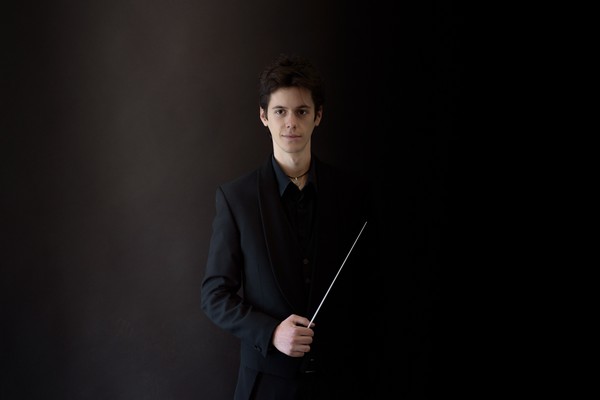
David Cerquetti (compositore di Hunting Ava Bravo e dei cortometraggi Chocolate Tronchetto: A Canvas Tale, 3Souls, No More Time…No More Heroes)
1) La metodologia, nel mio caso, cambia da progetto a progetto. Sicuramente bisogna però sempre tenere bene presente che quando si fa musica per film non si può ragionare solo in termini musicali. Non mi piace dire che la musica è al servizio del film perché non è vero, nessuna arte è al servizio di nessuna. Certamente c’è da dire che la musica deve in qualche modo supportare il film, quindi si potrebbe affermare che la musica è parte di un progetto più grosso; ogni arte si intreccia per formare un prodotto più grande. Il cinema non può essere concepito come una forma d’arte autonoma, ma invece un insieme di tante arti e, da questo punto di vista, sembra portare a compimento su scala di massa l’opera d’arte totale di wagneriana memoria. Ogni compositore che scrive per il cinema si imbatte in una storia che costituisce il film, concatenazioni di eventi che insieme creano l’opera finale. Per questo motivo, quindi, come prima cosa il compositore che scrive per il cinema deve imparare a raccontare storie tramite la sua musica. Deve immedesimarsi nei personaggi, provare le loro emozioni, vivere con la fantasia le loro stesse situazioni per poterle tradurre, empiricamente, in una musica che più si adatta ad una determinata scena. Senza ovviamente dimenticarsi che nel cinema lo scopo della musica, anche se per via di stratagemmi diversi, rimane sempre lo stesso: emozionare. Quando leggo lo script di un progetto e ho un primo scambio di idee con il regista o la produzione chiedo sempre di raccontarmi quali sentimenti provano i loro personaggi nelle varie situazioni del film. Trovo inutile comporre musica didascalica di puro riempimento; spesso questa musica viene richiesta per sopperire a mancanze dovute dal montaggio, cattiva performance degli attori o altro. Se il film è fatto bene, non ha bisogno di questo tipo di trattamento musicale. Piuttosto, preferisco chiedere al regista di parlarmi in termini attoriali; chiedo, cioè, di spiegarmi quali sentimenti vorrebbe far provare al pubblico nelle scene più importanti. Da lì incomincia il mio lavoro. Mi struggo di fronte alla scena fino a quando non ho capito esattamente quale sentimento il personaggio sta provando. Fatto questo, propongo una serie di idee al regista, decidiamo quanti brani musicali serviranno, in quali punti del film andranno messi e poi si inizia a lavorare. Si susseguono decisioni sull’organico strumentale, sull’utilizzo dell’elettronica, creazione della partitura, dei mockup, registrazione, mixing, mastering, eccetera. Però tutto parte dall’emozione, dal saper raccontare storie tramite la propria musica. Bisogna saper fare squadra, saper lavorare in team. Per questo dico che ogni progetto è diverso. Ogni progetto ha un team diverso e quindi ogni volta è una nuova avventura.
2) La mia skill in assoluto più solida è quella dell’orchestrazione. Adoro lavorare con le orchestre, la magia che si crea in studio di registrazione è impagabile. Tuttavia, da compositore sono il primo a dire che non serve una grande orchestra per fare una grande colonna sonora. Il compositore che ha studiato e conosce il repertorio del passato sa come sfruttare al meglio anche piccoli ensemble. Poi con qualche stratagemma da post produzione si può espandere quel piccolo ensemble e farlo suonare gigantesco (sempre se necessario). Per quanto mi riguarda cerco sempre di lavorare con musicisti reali (dico così perché chi è nel settore sa che spesso in produzioni low budget, ma talvolta anche high budget, i mockup realizzati con vst sono all’ordine del giorno). Per me i mockup vanno bene per presentare le idee al regista, ma poi si finisce sempre per registrare con musicisti veri, voglio sempre un elemento di autenticità. Mi piace sperimentare con l’elettronica, quindi spesso compongo per piccoli ensemble (generalmente quintetti) e poi amplio il discorso con l’elettronica. In situazioni estremamente low budget, se accetto la commissione, piuttosto investo di tasca mia, ma voglio sempre includere musicisti “veri”.
3) La temp track è una maledizione per i compositori. Spesso i montatori utilizzano musiche preesistenti per darsi un ritmo di montaggio e 99 su 100 i registi finiscono per innamorarsi (o meglio abituarsi) a quelle musiche e chiedono al compositore di imitarle. Questo processo annulla completamente la figura creativa del compositore. Un giusto iter dovrebbe partire dalla spotting session, dove compositore e regista guardano il film insieme e discutono su dove mettere le musiche e per quale motivo. Dopo questo primo passaggio il regista può iniziare ad inviare idee musicali, link di musiche che gli piacciono, al compositore. Deciso il numero di brani si inizia a comporre e si inizia ad inviare bozze (sotto forma di mockup estremamente dettagliati) al regista. Approvati tutti i brani previsti si passa alla stesura della partitura per i musicisti, poi alla registrazione e poi alla post produzione che, generalmente, non dovrebbe essere di competenza del compositore. Purtroppo, però, in produzioni low budget il compositore si deve adattare e fare anche cose che, probabilmente, gli competono meno. Non mi è mai capitato di iniziare a lavorare dalla sceneggiatura. Di solito i registi mi contattano (talvolta anche un anno prima) e mi mandano la sceneggiatura. Però non mi chiedono di comporre, vogliono solo rendermi partecipe del processo creativo del film e trovo questa una cosa stupenda. Inizio sempre a lavorare su un pre-montato (almeno fino ad ora). Per quanto riguarda le temp track devo dire che nei cortometraggi si trovano meno. Nonostante le produzioni siano più piccole, c’è più possibilità di sperimentare e comporre cose innovative. Spesso i lunghi o le serie tv hanno scadenze molto impegnative e non c’è tempo di soffermarsi troppo. Le musiche del mio ultimo lungometraggio Hunting Ava Bravo che ho co-firmato con Dante Liano e Saul Ledesma sono state composte in un mese. La produzione poi aveva previsto una sessione di registrazione in Messico e un mese circa per la post-produzione. Il film ora è disponibile su Amazon Prime Video.
4) Il lavoro più difficoltoso è stato sicuramente quello fatto per il cortometraggio Chocolate Tronchetto, un bellissimo film diretto da Nicole Favarelli. Nonostante sia stata la collaborazione più impegnativa, è stata anche quella più divertente e con la quale ho potuto instaurare un forte legame d’amicizia con la regista con cui spero di lavorare ancora in futuro. Il progetto ha portato inoltre alcune belle soddisfazioni. Abbiamo creato un album della soundtrack da distribuire su Spotify e sono stato anche premiato come “Best Original Score” ai Los Angeles Cinematography Awards. Nicole mi aveva chiesto di scrivere una musica che rimandasse vagamente a sonorità italiane (la protagonista è una nonnina italiana che vive a Londra). La musica doveva essere nostalgica, però con elementi natalizi siccome il corto è ambientato alla vigilia di Natale (la nonnina cerca disperatamente di insegnare a cucinare il tronchetto di cioccolato alla nipote che però non è interessata). La regista non voleva inoltre alcun suono elettronico. Alla fine ho lavorato con un quintetto (celesta/pianoforte, violino, violoncello, fisarmonica e mandolino). Dopo la recording però abbiamo notato che il violino dava un tocco troppo drammatico, così abbiamo convenuto di toglierlo da determinate scene.
Ora sto per affrontare un cortometraggio d’avventura/fantasy ambientato durante il periodo azteco, quindi mi spetta un’altra bella sfida e non vedo l’ora.
5) Sono un grande amante dell’arte e amo tutto ciò che ha a che fare con il cinema. Tuttavia, anziché intraprendere studi cinematografici, ho deciso di diventare un compositore di colonne sonore. La musica crea profondità nel cinema, ha la straordinaria capacità di aggiungere quel qualcosa che, diversamente, allo schermo mancherebbe. Mi piace inoltre raccontare storie tramite la mia musica e amo particolarmente l’animazione, le fiabe e il modo in cui mi permettono di giocare con la luce e con l’oscurità all’interno della mia musica. Devo in effetti ammettere di avere un’ossessione verso l’animazione Disney e Pixar. Infatti è proprio lì che cerco di arrivare.
La musica per me non è solo una ragione di vita, è un mezzo. Traduco la mia esperienza di vita in suono sperando che questo possa portare felicità nel mondo. Scrivo musica perché sento il bisogno di farlo, ambisco al grande cinema perché è il mezzo più facile per diffondere la mia musica nel mondo.
È una strada molto complessa, ma la costanza è tutto. Questa mia determinazione mi permette di reggere ritmi di lavoro estremamente intensi e questo mi ha permesso di distinguermi in qualsiasi scuola, corso o lavoro che io abbia mai frequentato. Ho incontrato persone più dotate di me fare troppo affidamento al loro talento e perdersi. Ho incontrato persone più capaci di me buttare via il loro talento a causa di superbia e supponenza. La chiave del successo sta nel lavoro costante, nell’umiltà e nella gentilezza. La musica e il cinema in particolare implicano la collaborazione, bisogna saper lavorare con le persone, ascoltare per poi creare. Con il tempo ho trasformato le mie debolezze in forza e ho capito che la mia strada era quella di scrivere musica per il cinema. Era una forza che mi pulsava dentro sin da bambino; a nove anni scrissi la mia prima composizione, senza nessun studio pregresso di armonia o contrappunto. Era qualcosa che mi veniva naturale, che mi scorreva nelle vene.
6) Qui il discorso è molto ampio, sicuramente per il mercato questo non è un bene. Però sia da compositore che da fruitore devo dire che non mi dispiace la pubblicazione tramite piattaforme streaming. L’idea che chiunque, in qualsiasi parte del mondo, possa ascoltare la mia musica è molto allettante. Certamente è sempre bello avere qualcosa di fisico tra le mani, ma la musica non è mai stata materiale, che la si incorpori in un CD o in una piattaforma di streaming rimane comunque qualcosa di impalpabile. Quindi non cambia molto, certamente cambia il mercato e sarebbe da rivedere tutto il sistema di distribuzione delle royalties, ma questo è un altro discorso.
English Version:
1) My methodology usually changes from project to project. Certainly, though, we have to keep in mind that when we compose music for film, we cannot think only in musical terms. Music should somehow support the film. Cinema cannot be conceived as an independent art form, but instead as a collection of many arts. Every composer who writes for film comes across a story that constitutes the movie, concatenations of events that together create the final work. Therefore, first of all the composer should learn how to tell stories through his music. The composer should empathize with the characters, feel their emotions, imaginatively experience their situations in order to be able to translate them, empirically, into music that best fits a scene.
When I read the script for a new project, I always want the director or production to tell me what their characters feel through the scenes. I find it unnecessary to compose didactic music for pure filler, often this music is required to make up for bad editing or poor performance of actors. If the film is done well, it does not need this kind of musical treatment. Rather, I prefer to ask the director to speak to me in "actorly" terms; that’s it, I ask them to explain what feelings they would like the audience to feel in the most important scenes. Then I start composing. I struggle with the scene until I understand exactly what feeling the character is feeling. Once I figure it out, I hand over a couple of ideas to the director, we decide how many cues will be needed, where in the film they should be placed, and then I start working. But it all starts with an emotion, how to tell stories through music.
Finally, I think the most important thing is to know how to team up and how to work as a group. That's why I say every project is different, every project is made by new people, and every time is a new adventure.
2) My strongest skill is orchestration. I love working with orchestras; the magic that is created during a recording session is definitely unique and priceless. However, as a composer I am the first to admit that a big orchestra is not necessary to make a great score. The composer who studied the repertoire of the past knows how to make the most of even small ensembles. Then, with some post production ploy, you can expand that small ensemble and make it sound huge. As far as I'm concerned, I always try to work with real musicians. If you ask me, mockups and vst are fine for pitching ideas to the director, but then I always end up recording with real musicians, I always want an element of authenticity. I like to experiment with electronics, thus I often compose for small ensembles and then expand them with electronics. In extremely low-budget situations I prefer to invest out of my own pocket, but I always want to include real musicians.
3) Temp track is a curse for composers. Film editors often use pre-existing music to give themselves an editing rhythm, and 99 out of 100 directors end up falling in love with (or rather getting used to) that music and asking the composer to imitate it. This process completely kills the creativity of a composer. A proper process should begin with the spotting session, where the composer and director watch the film together and discuss where to put the music and why. After this first step, the director can start sending musical ideas, links of music he likes, to the composer. Once the number of cues is decided, the composer starts sending drafts (as extremely detailed mockups) to the director. Once the director approves everything, we start writing the score for the musicians, then there’s the recording session and finally the post production, which generally should not be the composer's responsibility. Unfortunately, however, in low-budget productions the composer has to do everything, even things that are not really related to the compositional process.
It has never occurred to me to start working from the script though. Usually directors reach out to me (sometimes even a year in advance) and send me the script. They don't ask me to compose, they just want to make me part of the creative process of the film, and I find that a wonderful thing. I always start working on a first assembly or a rough cut. As for temp tracks, they are less common in short films. Although the productions are smaller, there is more opportunity to experiment. Features or TV series often have very demanding deadlines and there is no time to refine too much. The music for my latest feature film Hunting Ava Bravo, which I co-wrote with Dante Liano and Saul Ledesma, was composed in a month. The production then had scheduled a recording session in Mexico and about a month for post-production. The film is now available on Amazon Prime Video.
4) My most difficult experience was definitely the short film Chocolate Tronchetto, a great movie directed by Nicole Favarelli. But it was also the most fun collaboration, I was able to establish a strong friendship with the director and I hope to work with her again in the future. Although it has been the trickiest project I’ve worked on so far, it is also the one that gave me the most satisfaction. We created a soundtrack album to be distributed on Spotify, and I was also awarded "Best Original Score" at the Los Angeles Cinematography Awards. Nicole had asked me to write music that vaguely referred to Italian sounds (the main character is an Italian grandmother living in London). However. the music had to be nostalgic, with Christmas elements because the short film is set on Christmas Eve (the grandmother tries desperately to teach her granddaughter how to bake chocolate tronchetto, but her granddaughter is not interested). The director also did not want any electronic sound. I ended up working with a quintet (celesta/piano, violin, cello, accordion and mandolin). After the recording, however, we agreed that the violin sometimes sounded too dramatic and we removed it on some scenes.
Now I'm about to start working on a short adventure/fantasy film set during the Aztec period, so I'm up for another good challenge and I'm looking forward to it.
5) I am a huge film buff and love everything to do with movies. However, instead of leaning towards cinematography, I decided to become a film score composer. Music creates depth in cinema; it has the incredible ability to add something that the screen otherwise lacks. I also have a keen interest in telling stories through my music, and I particularly love animation, fairy-tales, and the way they allow me to play with extremes of light and darkness in my music. I shall admit to having always had an obsession with both Disney and Pixar animation. My dream actually is to compose music for Pixar movies.
Music for me is not only a reason for living, it is a medium. I turn my life experience into sound hoping that it will spread happiness into the world. I write music because I feel the need to do so, I aspire to compose for big movies because it is the easiest means to spread my music to the world.
It is a very complex career, but perseverance is everything. My determination allowed me to work intensively and to stand out in any school, program or job I have ever attended. I have met people more gifted than me who rely too much on their talent and get lost. I have met people more talented than me who have thrown away their talents because of pride and arrogance. The key to success lies in constant work, humility and kindness. Music and filmmaking in particular involve collaboration, you have to be able to work with people, listen and then create. With time I turned my weaknesses into strength and realized that my path was to write music for film. It was a force that had been pulsing inside me since I was a child, at the age of nine I wrote my first composition, without any prior study of harmony or counterpoint. It was something that came naturally to me, flowing through my veins.
6) The question is too vast, certainly digital streaming is not good for business. But as a composer and a user, I have to admit that I don't mind releasing music through streaming platforms. The idea that anyone, anywhere in the world, can listen to my music is very appealing. It is always nice to have something physical in your hands for sure, but music has never been material, whether you embed it on a CD or on a streaming platform, it still remains something intangible. So there’s no difference, certainly the business is affected by that, and probably the whole royaltiy distribution system should be revised, but that's another topic.
FINE CINQUANTASEIESIMA PARTE
